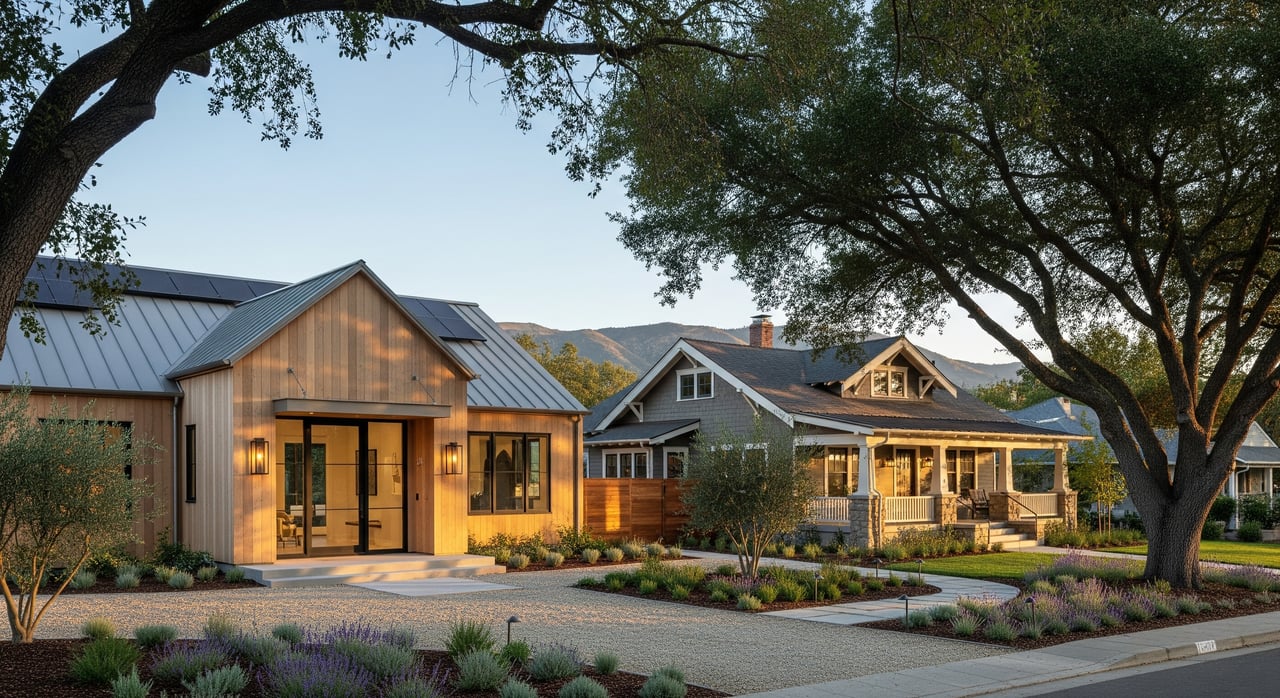
Trying to decide between a brand-new home and a charming resale in Roseville? You are not alone. With active master-planned communities alongside established neighborhoods, the choice can feel overwhelming. In this guide, you will learn how costs, incentives, timelines, features, and lifestyle factors compare in Roseville so you can move forward with confidence. Let’s dive in.
Roseville market context
Roseville sits in Placer County and serves as a regional hub for jobs, retail, and healthcare, with quick connections to I-80 and Highway 65 for Sacramento-area commutes. New construction typically clusters in master-planned communities at the city’s edges where infrastructure and amenities are still rolling out. Resale homes are found across established neighborhoods with mature landscaping and a known community feel. These patterns shape pricing, timelines, and the total cost of ownership.
Price and total cost
Base price vs upgrades
- New construction often carries a premium price per square foot because of modern layouts and finishes.
- The builder’s base price rarely includes popular upgrades like flooring, cabinets, countertops, window coverings, and full landscaping.
- Build a realistic upgrade budget early. Design center choices can push the final price well above the base.
Taxes, HOA, and Mello-Roos
- In California, both new and resale purchases trigger a property tax reassessment at your purchase price under Prop 13 rules.
- Many newer Roseville developments include community facilities district assessments, often called Mello-Roos, to fund infrastructure. These appear as separate line items on your tax bill.
- Some neighborhoods have HOA dues for common-area maintenance and amenities. Compare HOA budgets and reserves, especially in new communities still under developer control.
Maintenance and near-term spend
- New homes typically have lower immediate maintenance costs and come with builder and manufacturer warranties. You may still need to budget for yard installation and window treatments.
- Resale homes can avoid special assessments and sometimes offer lower ongoing costs, but systems like the roof, HVAC, and water heater may need repairs or replacement sooner.
Financing and incentives
Builder incentives
- Builders may offer closing cost credits, promotional mortgage rates, or price reductions on quick-move-in homes. These can be attractive, but compare the true net cost.
- Incentives do not always translate dollar-for-dollar in an appraisal. Keep your financing plan conservative in case of an appraisal gap.
Loan options and appraisal
- Conventional, FHA, and VA loans are common for both resale and new homes. Certain property types in new developments can carry added requirements.
- Appraisals on new construction can be challenging when there are few comparable sales. Plan ahead for potential differences between contract price and appraised value.
Timeline and process
Build time vs closing speed
- To-be-built homes can take months from contract to keys, while quick-move-in homes may close in weeks.
- Resale closings usually move faster once inspections and contingencies are complete.
Contracts, contingencies, and inspections
- Resale transactions often include negotiation on price, repairs, credits, and contingencies.
- Builder contracts are standardized with limited repairs. You create a punch list and rely on warranties.
- Even for new builds, hire independent inspectors at key milestones, such as pre-drywall and final walk-through. Consider a separate pest inspection.
Quality and features
New build benefits
- Contemporary floor plans and finishes, plus materials that meet current California building and energy codes.
- New homes must comply with the state’s Title 24 energy standards, which generally means better energy performance than many older homes.
- Warranties on workmanship, structure, and appliances can reduce early-year risk.
Resale benefits
- Mature landscaping, larger or uniquely situated lots, and established neighborhood character.
- Potential to buy below replacement cost or negotiate credits for needed updates.
- Immediate move-in with known surroundings and nearby services.
Community and lifestyle
New communities
- Master-planned areas may feature new parks, trails, and community centers, though the full lifestyle often matures as the neighborhood builds out.
- Social networks and shade trees take time to develop. If you value brand-new amenities, this can be a strong fit.
Established neighborhoods
- Resale areas offer immediate community character and everyday convenience. You see the finished neighborhood, not just a plan.
- Landscaping and street scenes are already mature, which many buyers appreciate.
Buyer checklist: new vs resale
- Confirm your total cost: price, upgrades, closing costs, HOA, Mello-Roos, and likely maintenance.
- Decide your timeline: can you wait months for a build, or do you need to move soon?
- Choose your customization level: pick finishes now or plan updates later.
- Review warranties: what is covered and for how long?
- Evaluate neighborhood priorities: new amenities or mature landscaping.
- Prepare financing: get pre-approved and compare builder incentives to outside lender options.
- Set an inspection plan: schedule independent inspections for both new and resale.
Seller strategy: competing with new builds
- Highlight what new builds cannot match: mature landscaping, lot size, upgrades, and proximity to established services.
- Price with intention. If new homes nearby are offering incentives, align your strategy with credits or a rate buydown to meet buyer expectations.
- Prepare your home for a smooth escrow. Consider a pre-listing inspection and complete key repairs to reduce friction during negotiations.
- Disclose thoroughly. In California, complete disclosure packages lower risk and build trust.
How I help you win
- Pricing strategy: You get data-driven guidance for smart positioning relative to both resale listings and nearby new construction.
- Negotiation: From builder incentives to inspection credits, you benefit from a clear plan to protect your budget and terms.
- Process management: I coordinate with your lender, inspectors, HOA contacts, and title to keep your timeline on track.
- Listing presentation: If you are selling, you receive white-glove marketing with staging, professional photography, video, and premium listing exposure.
- Local insight: You will understand taxes, assessments, HOA rules, and development timelines before you commit.
Next steps
If you are weighing a new build against a resale in Roseville, the best choice depends on your total cost, timeline, and lifestyle goals. When you understand taxes, incentives, warranties, and neighborhood trade-offs, the decision becomes clear. For a tailored plan and on-the-ground insight, connect with Mercedeh Sheik to schedule a private consultation.
FAQs
What costs differ most between new and resale in Roseville?
- New builds may include Mello-Roos assessments and HOA dues along with upgrade costs, while resales may have lower special assessments but can need near-term repairs.
Do I still need inspections on new construction?
- Yes. Hire independent inspectors for milestones like pre-drywall and the final walk-through, and consider a separate pest inspection.
How do builder incentives impact my financing?
- Incentives can lower your out-of-pocket costs but may not fully reflect in the appraisal. Compare lender options and plan for potential appraisal gaps.
Will my property taxes be higher on a new home?
- In California, both new and resale purchases trigger reassessment to your purchase price. Many new communities also carry separate Mello-Roos assessments.
How long does new construction take in Roseville?
- Timelines vary. Quick-move-in homes can close in weeks, while to-be-built homes often take months from contract to completion.
What are the main resale advantages in established neighborhoods?
- Immediate occupancy, mature landscaping, and a known neighborhood character, with potential to negotiate price or credits for updates.