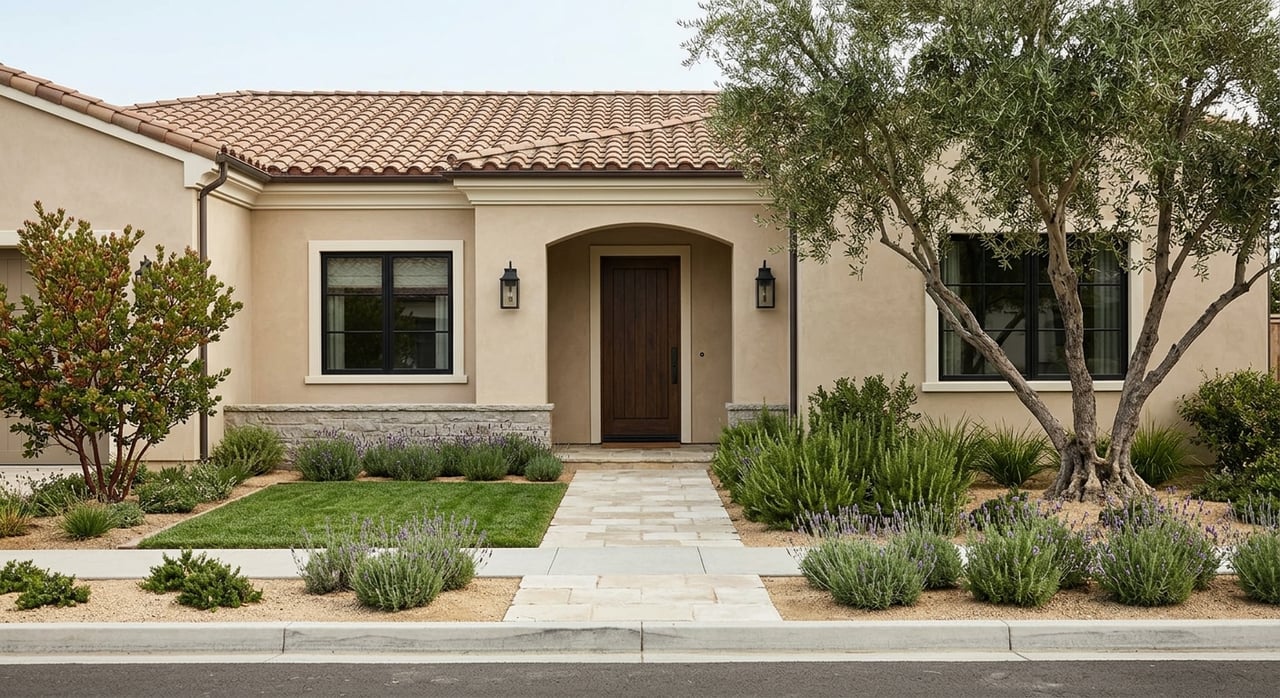
Trying to choose between Lincoln’s historic in-town areas and its newer master-planned communities? You are not alone. Many buyers comparing homes in Lincoln find that the decision is less about old versus new and more about how you want to live day to day. This guide will help you compare the two paths, understand how pricing really works, and narrow in on the home style that fits your goals. Let’s dive in.
Lincoln offers two distinct home experiences
Lincoln is a mature but still growing city in Placer County, and the housing mix reflects that. The 2020 Census counted 49,757 residents, and the 2019 to 2023 American Community Survey reported an owner-occupied housing rate of 83.5%. The median value of owner-occupied homes was $628,500, and the citywide median year structure built was 1980.
That matters because Lincoln is not a place where every neighborhood feels the same. In March 2026, the city’s median sale price was $632,000, but the housing stock spans older in-town homes and much newer subdivision development. If you are shopping here, you will likely be weighing lifestyle, layout, HOA structure, and setting just as much as price.
Historic Lincoln homes feel closer to downtown life
Historic Lincoln centers on the city’s original downtown core. The city describes downtown as Lincoln’s historic and civic heart, with Beermann Plaza serving as the town square. Its historic downtown district is generally defined as First Street through Seventh Street between G and E Streets, with buildings dating to the late 1800s.
That older street grid creates a different feel from newer edge communities. Homes in and around older in-town areas generally feel more compact and urban in character, with easier access to downtown activity and civic spaces. The appeal here is often character, location, and connection to the original fabric of the city.
The city also highlights Historic Downtown Lincoln through its arts and culture programming and walking tour. Lincoln is also described as street-cycling and NEV friendly, which supports that more in-town experience. If you want a setting that feels established and connected to the city’s roots, this part of Lincoln may stand out.
What draws buyers to older in-town areas
Buyers often look to older Lincoln neighborhoods for a few simple reasons:
- Proximity to downtown Lincoln
- A more organic street pattern
- Historic surroundings and established character
- Less emphasis on a single master-planned amenity package
- A more traditional in-town feel
That does not mean every older home is the same. Condition, updates, lot placement, and exact location can all shift value and day-to-day livability.
Newer Lincoln communities offer more planned amenities
Lincoln’s newer growth areas were built with more deliberate planning. The city’s Village 1 housing-element materials describe a 1,832-acre area on Lincoln’s eastern boundary that includes a mix of housing, open space, public facilities, and resident-serving commercial space. The plan calls for a wide range of residential styles and densities.
For many buyers, this means newer communities can offer a more structured suburban experience. You may find newer floor plans, broader open-space systems, and neighborhoods designed around parks, trails, and shared amenities. That can be a strong fit if you want predictability in layout and a more master-planned environment.
Lincoln Crossing at a glance
Lincoln Crossing is one of the clearest examples of this model. The city identifies 207 acres of open space within the 1,070-acre development, including corridors along South Ingram Slough, North Ingram Slough, and Auburn Ravine.
One important detail is that Lincoln Crossing is not a one-size-fits-all neighborhood. City ordinance language says private local streets in the project area are to be maintained by a project HOA or similar mechanism, and current listings show both HOA-linked homes and some pockets marketed with no HOA. If you are comparing options here, it is worth looking at the exact sub-area rather than assuming every home comes with the same obligations.
Twelve Bridges and Verdera
Twelve Bridges and Verdera are also strongly shaped by master planning. The city says the broader open-space area totals 1,136 acres, including 813 acres in Twelve Bridges and 300 acres in Verdera. Some Verdera open space is maintained by the Verdera Community Association.
These communities also show how much pricing can change within the same growth corridor. Current listings cited in the research show a 2021 home in Twelve Bridges Village on a 6,386-square-foot lot listed at $899,000, while a Verdera estate on a 0.91-acre lot was listed at $2.387 million. That is a big reminder that lot size, community section, and home type matter just as much as whether a neighborhood is newer.
The city also notes a cluster of public amenities in the Twelve Bridges area. Twelve Bridges Park is a 5-acre park next to Twelve Bridges Elementary School with ballfields, soccer, a playground, picnic areas, restrooms, and trails. The public library is located on Twelve Bridges Drive, and the city says Twelve Bridges High School operates as a joint-use library site for students and the public.
Sun City Lincoln Hills
Sun City Lincoln Hills is a more specialized option. The HOA describes it as an active adult community for residents 55 and over. It includes two fitness centers, indoor and outdoor pools, a 68,000-square-foot Orchard Creek Lodge, 19 trails covering 27 miles, more than 75 shared-interest groups and clubs, and two 18-hole golf courses within the community.
This is one of the clearest examples in Lincoln of a lifestyle-driven, association-centered neighborhood. The city also notes that Sun City Lincoln Hills open spaces are not city open space and are instead the responsibility of the community association. For the right buyer, that structure can be a major advantage, but it is a very different ownership experience from a historic in-town home.
Price in Lincoln is not just about age
One of the biggest mistakes buyers make is assuming older means cheaper and newer means more expensive. In Lincoln, the numbers tell a more nuanced story.
In March 2026, Lincoln’s overall median sale price was $632,000. Lincoln Crossing’s neighborhood median sale price was $548,000, Sun City Lincoln Hills was $597,000, and Redfin’s Twelve Bridges Village market area was $742,500. Those figures show that pricing depends on a blend of home age, lot size, HOA structure, amenity package, and the specific sub-neighborhood.
Even older homes can compete closely with newer resale homes. Redfin’s citywide vintage-home category showed 7 vintage homes for sale at a median listing price of about $648,000, which was very close to the citywide median sale price. A well-located older home with updates or a desirable lot may not come at a discount.
A quick price comparison
| Area | Reported price point |
|---|---|
| Lincoln overall | $632,000 median sale price |
| Lincoln Crossing | $548,000 neighborhood median sale price |
| Sun City Lincoln Hills | $597,000 median sale price |
| Twelve Bridges Village | $742,500 market area median sale price |
| Lincoln vintage homes | About $648,000 median listing price |
The takeaway is simple: compare the exact home and neighborhood, not just the build year.
How to decide which Lincoln option fits you
If you are torn between Historic Lincoln and a newer community, focus on what will shape your daily life. The best choice often comes down to how you want your home, neighborhood, and shared spaces to function.
Older in-town Lincoln may be the better fit if you want downtown character, a more established street pattern, and a location that feels connected to the city center. Newer communities may be the better fit if you want newer layouts, more deliberate park and trail systems, and in some cases association-managed amenities or open space.
Questions to ask as you compare homes
Use these questions to narrow your options:
- Is the neighborhood governed by an HOA?
- What parts of the area are private versus shared common space?
- Are you paying for a lifestyle or amenity package you will actually use?
- Do you prefer an in-town setting or a master-planned suburban feel?
- How much does lot size matter to you?
- Are you comparing one specific sub-neighborhood to another, rather than broad labels?
These questions matter because Lincoln has a split housing identity. The city’s planning documents and housing profile show a place shaped by both established housing and continued master-planned growth. In other words, the right answer is usually personal, not universal.
Why a local comparison matters
On paper, two Lincoln homes can look similar in size and price while offering very different ownership experiences. One may place you near the civic center and historic downtown grid. Another may place you in a newer section with shared open space, community structures, and a different rhythm of daily life.
That is why a smart home search in Lincoln should go beyond bedroom count and list price. When you compare historic areas, Lincoln Crossing, Twelve Bridges, Verdera, and Sun City Lincoln Hills side by side, the details become much clearer. A thoughtful comparison can help you buy with more confidence and avoid choosing a neighborhood that does not truly match your goals.
If you are weighing Historic Lincoln against newer communities, personalized guidance can make the choice much easier. For a polished, data-driven, white-glove buying experience in Placer County, schedule a private consultation with Mercedeh Sheik.
FAQs
What is the difference between Historic Lincoln and newer Lincoln communities?
- Historic Lincoln is generally centered around the original downtown area and older in-town neighborhoods, while newer Lincoln communities are more likely to be master-planned areas with structured open space, newer floor plans, and in some cases HOA-managed amenities.
Are older homes in Lincoln cheaper than newer homes?
- Not always. In March 2026, Lincoln’s median sale price was $632,000, while Redfin’s vintage-home category showed a median listing price of about $648,000, which suggests older homes can price close to newer resale homes.
Which Lincoln neighborhoods have HOA amenities?
- HOA structure varies by area. Lincoln Crossing includes both HOA-linked homes and some pockets marketed with no HOA, while Sun City Lincoln Hills is a clearly association-centered 55-and-over community with extensive amenities.
How do prices compare across Lincoln neighborhoods?
- Reported March 2026 figures showed Lincoln overall at $632,000, Lincoln Crossing at $548,000, Sun City Lincoln Hills at $597,000, and Twelve Bridges Village at $742,500, showing that price differences depend on the specific neighborhood and home type.
Is Sun City Lincoln Hills the same as other newer Lincoln communities?
- No. Sun City Lincoln Hills is an active adult community for residents 55 and over, with amenities such as fitness centers, pools, trails, clubs, and golf courses, so it offers a more lifestyle-focused ownership experience than many other Lincoln neighborhoods.