Do you picture evenings strolling to dinner and live events, or do you want a newer home with more space and planned parks close by? In Folsom, your answer often points to Historic Folsom or one of the newer master‑planned neighborhoods. Both offer great lifestyles, just in different ways.
In this guide, you’ll see how these areas compare on daily routines, housing, trails and parks, schools, commuting, and ownership costs like HOAs and Mello‑Roos. You’ll also get a simple checklist to help you choose with confidence. Let’s dive in.
What defines Historic Folsom
Daily life on Sutter Street
Historic Folsom is the city’s original downtown centered on Sutter Street and the rail depot. You can walk to coffee, galleries, restaurants, and regular public events, with a true main‑street feel. The district’s event calendar and local shops keep the area lively throughout the week, as highlighted by the Historic Folsom overview. If you value a higher‑walkability routine, Historic Folsom stands out.
Homes and lots in the district
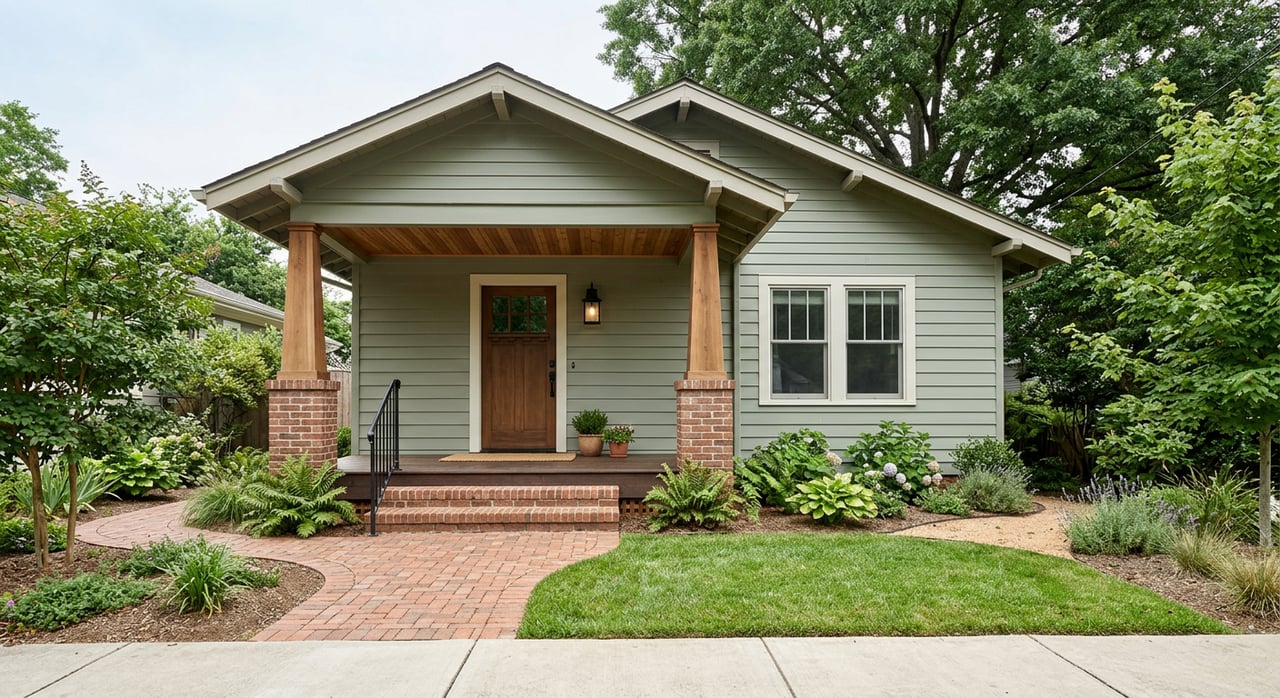
Homes here span decades, from late 1800s and early 1900s cottages to Craftsman bungalows and modest mid‑century houses. The neighborhood grew before the car era, so lots are typically smaller and closer together. City materials note a common residential module around 50 feet by 140 feet, which helps set expectations on yard size and setbacks. You can review the city’s Historic District documentation on typical lot patterns and design context.
Because it is a designated historic area, certain exterior changes may go through design review. If you love character homes and want to preserve original details, that process helps keep the district’s charm intact. You can read how the city handles historic preservation and design review in its Historic District code.
Trails, parks, and transit access
Historic Folsom borders Lake Natoma and connects to the paved American River trail system. Residents use the Lake Natoma Trail and the Johnny Cash Trail for daily runs, rides, and dog walks, and you are close to water access for paddling or rowing. For commuting or nights out in Sacramento, the Historic Folsom light‑rail station sits right by the district, which adds an option besides driving.
What defines newer subdivisions
Day‑to‑day in master plans
Newer areas like Folsom Ranch, Empire Ranch, Natoma Station, Broadstone, Lexington Hills, and The Parkway were planned with parks, schools, and internal trail networks in mind. Daily errands are usually by car, but new neighborhood retail and services are integrated into the plan, and regional centers like the Palladio area are a short drive away. The Folsom Ranch community overview and recent city updates reflect the continued buildout of parks and amenities for south‑of‑50 neighborhoods. The City’s State of the City briefing underscores progress across the Plan Area and new services coming online, as covered by Folsom Times.
Homes, yards, and garages
Master‑planned neighborhoods offer a wide mix of product types, from townhomes and small‑lot single‑family homes to larger detached homes with deeper backyards. You will also find open floor plans, multi‑car garages, and many single‑story options. Yard sizes vary by village and builder, so always check the specific lot dimensions and site plan. If a newer, move‑in‑ready home with contemporary systems is your priority, these areas tend to deliver.
Schools and neighborhood parks
Newer villages include schools sited within the plan. For example, Alder Creek Elementary opened in 2024 to serve Folsom Ranch, as reported by Folsom Times. Multiple parks, playgrounds, and bikeable paths are distributed throughout these neighborhoods, which is helpful if you want short, kid‑friendly routes and daily outdoor access without leaving the subdivision.
Cost factors to compare
HOAs and Mello‑Roos basics
Many newer master‑planned neighborhoods include mandatory homeowners associations to maintain shared landscaping, parks, and entries. Several villages also sit inside Community Facilities Districts, commonly called Mello‑Roos, which fund major infrastructure and amenities. Before you write an offer, confirm whether the property is within a CFD and the current annual special tax. The City’s official reports outline how the Folsom Ranch districts are structured, such as the CFD No. 23 documentation. Historic Folsom properties are less likely to have Mello‑Roos, though each parcel is unique, so verify every address.
Price signals right now
Neighborhood pricing varies across Folsom. As of early 2026, Zillow’s Home Value Index snapshots show indicative medians such as Historic Folsom around $649,009 (through Jan 31, 2026), Natoma Station around $673,702 (through Feb 28, 2026), and Empire Ranch around $791,200 (through Jan 31, 2026). Treat these as broad signals, then pair them with three recent MLS comps for the specific home type and lot you are considering. Updates happen often, so refresh figures before you decide.
Maintenance and approvals
- Historic Folsom: Older systems may need upgrades over time. Exterior changes can be subject to design review to maintain the district’s character, per the city’s Historic District code.
- Newer master‑planned: Homes are typically newer with modern systems and lower near‑term maintenance. You will likely have HOA rules to follow and, in many cases, a Mello‑Roos line on your tax bill. Confirm both before you finalize your budget.
Quick scene matchups
The evening‑walker and festival‑lover: You want to grab coffee, browse galleries, and walk to live music on weekends. You appreciate mature trees and a small‑town main‑street vibe. Historic Folsom around Sutter Street fits this vision. Explore the Historic Folsom overview for a feel of the district’s rhythm.
The space‑seeker who wants parks: You prefer a newer home with an open layout, a larger garage, and multiple park options for daily bike rides. Folsom Ranch and other master‑planned pockets like Empire Ranch or The Parkway align with that routine. The Folsom Ranch community page highlights integrated parks, paths, and nearby services.
Side‑by‑side snapshot
| Factor | Historic Folsom | New master‑planned neighborhoods |
|---|---|---|
| Daily convenience | Walk to Sutter Street dining, shops, and events; strong walkability supported by Walk Score mapping | Short drives for most errands, with on‑site retail nodes and regional centers nearby |
| Lot pattern | Often around 50’ x 140’ per city documentation | Wide range, from townhome footprints to larger single‑family lots; confirm builder/parcel maps |
| House age | Late 1800s to mid‑1900s, plus infill | 2000s to brand‑new construction |
| HOA / Mello‑Roos | HOAs less common, Mello‑Roos uncommon but verify parcel | HOAs are common and many villages include Mello‑Roos; review City CFD reports |
| Price signals (early 2026) | Historic Folsom ZHVI about $649k (through Jan 31, 2026) | Examples: Natoma Station about $674k (through Feb 28, 2026), Empire Ranch about $791k (through Jan 31, 2026) |
Smart buyer checklist
- Clarify your routine. If you want to walk to restaurants and events, Historic Folsom usually leads. If you want newer systems, more garage space, and multiple park nodes, master‑planned areas deliver.
- Verify HOA and any Mello‑Roos. Confirm the monthly or annual cost, what it covers, and the current special‑tax amount for the exact lot. Cross‑check with the City’s CFD documentation.
- Refresh the numbers. Pull three recent MLS comps for the micro‑neighborhood and floor plan you are targeting. Use ZHVI as a broad context, then rely on live comps for pricing.
- Check flood maps. River‑adjacent locations should be verified on the FEMA Flood Map Service Center, since flood zone status can affect insurance and future plans.
- School proximity. Newer Plan Area villages include schools like Alder Creek Elementary, opened in 2024 per Folsom Times. Check current boundaries with the district before you buy.
- Commute options. Historic Folsom offers a walkable light‑rail station for trips into Sacramento. Newer areas are primarily car‑oriented, with improving internal connections.
- Walkability vs shade. Historic streets often have mature trees and established landscaping. Newer areas will feel more open until landscaping matures.
Which Folsom fits you?
Both choices are excellent, just optimized for different lifestyles. Historic Folsom gives you character homes, a walkable main street, and direct access to Lake Natoma and the American River trails. Newer master‑planned neighborhoods give you modern layouts, flexible yard options, and a network of parks and schools built into the plan.
If you want a local, data‑driven look at specific homes, lots, and line‑item costs, reach out for a tailored tour and pricing review. With neighborhood expertise across Folsom and the greater Sacramento region, we will help you compare apples to apples and move forward with clarity. Ready to explore? Schedule a private consultation with Mercedeh Sheik.
FAQs
What is the main lifestyle difference between Historic Folsom and newer subdivisions?
- Historic Folsom focuses on walkable dining, events, and direct trail and river access, while newer master‑planned areas emphasize modern homes, varied yard sizes, and multiple park and school nodes.
How do HOAs and Mello‑Roos affect my budget in Folsom?
- Many newer neighborhoods include HOAs and Mello‑Roos special taxes that add to monthly or annual costs, so confirm exact amounts using the City’s CFD documentation before you write an offer.
Are Historic Folsom homes harder to maintain than new builds?
- Older homes can need more system upgrades and may require design review for exterior changes, while newer homes tend to have lower near‑term maintenance but come with HOA rules and, often, Mello‑Roos.
Which areas are best if I want quick trail access?
- Historic Folsom borders Lake Natoma and connects to the Lake Natoma Trail, while newer master‑planned areas provide internal trail networks and pocket parks designed into the neighborhoods.
What about commuting and transit access in Folsom?
- Historic Folsom residents can walk to the light‑rail terminal for trips into Sacramento, whereas most newer subdivisions are primarily car‑oriented with growing internal connectivity and services.