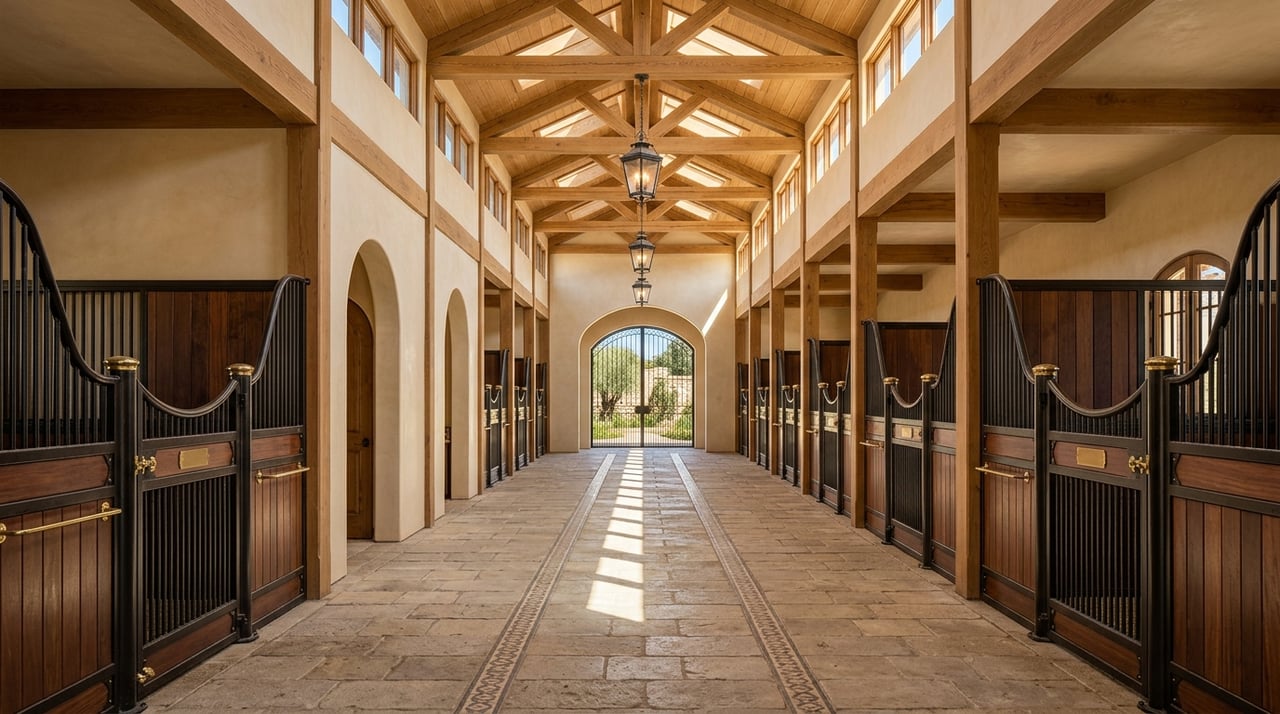
Selling a Loomis acreage or equestrian property is not the same as selling a typical suburban home. Buyers are looking at the house, of course, but they are also evaluating zoning, horse facilities, land use, defensible space, permits, and property systems like wells or septic. If you want your sale to feel smooth and your listing to show at its best, preparation matters early. Let’s dive in.
Start With Land Presentation
On acreage, first impressions go far beyond curb appeal. Buyers often decide how well a property has been cared for by how the land, driveways, fencing, barns, paddocks, and feed areas look when they arrive.
In Placer County, pastures and animal enclosures such as barns, corrals, paddocks, and feed areas should be kept free from excessive litter, garbage, and manure, and the site should be maintained in a neat and sanitary manner. The county also notes that animal keeping should not create significant soil erosion or sedimentation on roads, neighboring parcels, or drainage channels.
That means your prep plan should focus on making the property feel clean, usable, and easy to understand. On horse properties especially, visual clutter can distract from the value of the land and improvements.
Focus on the Areas Buyers Notice Most
Before photos and showings, spend time on the spaces that communicate function and care:
- Clear driveways and access points
- Remove unused equipment and scattered materials
- Tidy tack, feed, and storage areas
- Clean up barns, stalls, corrals, and paddocks
- Groom pasture edges and fence lines
- Make gates easy to open and pathways easy to follow
When buyers can quickly see how the property works, they are more likely to picture themselves using it.
Verify Zoning and Horse-Use Basics
Loomis acreage listings often raise detailed questions about what is allowed on the property. Placer County zoning includes districts such as RF, RA, AE, and F, and the code separately regulates animal raising and keeping.
This matters because buyers frequently want clarity on whether barns, arenas, pastures, and other equestrian improvements are permitted and documented. In the Farm district, equestrian facilities are an allowed use. In RF and -AG districts, horse density limits and minimum site sizes can apply.
Why This Step Helps Your Sale
If your property includes horse infrastructure, buyers may ask:
- Is the current use consistent with zoning?
- Were the barn, arena, or other improvements approved?
- Are there site size or density limits that affect future use?
Getting ahead of those questions can reduce uncertainty and make your listing stronger. A well-prepared seller does not just present the land well. A well-prepared seller also makes the property easier to understand.
Prioritize Defensible Space and Fire Readiness
In Loomis, wildfire preparation is not optional from a selling standpoint. The town includes mapped Moderate and High Fire Hazard Severity Zones, and those designations matter in real estate transfers.
Sellers must disclose fire hazard severity zone designations, and local and state fire guidance requires 100 feet of defensible space around structures. Local fire agencies also perform inspections, so it is smart to prepare early rather than rush later.
Key Fire-Prep Tasks Before Listing
CAL FIRE says annual grass should be mowed to a maximum of 4 inches in Zone 2. Placer County also states that outbuildings and propane tanks need 10 feet of clearance to bare mineral soil, plus another 10 feet free of flammable vegetation.
A practical pre-listing checklist includes:
- Mow annual grasses to the required height
- Clear vegetation around the house and outbuildings
- Create proper clearance around propane tanks
- Remove flammable debris near structures
- Trim and maintain areas that may be flagged during inspection
This kind of preparation does two things at once. It helps with compliance, and it also improves how the property photographs and shows.
Be Careful With Last-Minute Repairs
It is tempting to rush through upgrades right before listing, especially on acreage where small projects can quickly turn into larger ones. But in Placer County, building permits are required for construction, enlargement, alteration, repair, movement, improvement, removal, conversion, or demolition of regulated structures.
On parcels zoned F, AE, or RA that are 10 acres or larger, some agricultural buildings may qualify for an agricultural exempt building permit. Even then, those structures still need building-permit approval and must meet zoning setback and height requirements.
Smart Rule for Pre-Sale Improvements
If you are thinking about repairing or modifying a barn, workshop, shed, arena structure, or other site improvement, confirm what approvals may apply before work begins. Unclear permit history can create avoidable questions once your property is on the market.
Gather Permits and Property Records Early
One of the most helpful things you can do before listing is organize your paperwork. On acreage properties, buyers often want to confirm when structures were added, whether improvements were approved, and what records exist for systems and outbuildings.
Placer County offers a building-permit research process that can provide permit numbers, permit types, dates, inspection history, and ownership details. The county also has an online document search for building and planning permits, although not all historic records are available online.
Because standard permit research can take up to 20 business days and some older files may be archived or still being scanned, starting early matters. If you wait until you are already in escrow, document delays can add stress.
Helpful Records to Pull Together
Try to gather:
- Building and planning permit records
- Barn or outbuilding documentation
- Septic permits and service records
- Well permits and related records
- Any past inspection reports you still have
The more complete your file, the easier it is to answer buyer questions with confidence.
Prepare Well and Septic Information
Many Loomis acreage properties rely on private systems, and buyers tend to ask about them early. If your property has a septic system or private well, it helps to collect county records and any maintenance logs before the home goes live.
Placer County Environmental Health oversees septic and well permits. The county notes that supplemental treatment septic systems permitted after January 1, 2005 require annual maintenance, while standard systems should be inspected by a qualified service provider.
For wells in rural areas, permits require a licensed well driller. The county also states that some permitting-related water sampling may require testing for Total Coliform, E. coli, and chlorine residual through an ELAP-certified lab.
Questions Buyers Often Ask
Expect questions such as:
- When was the septic system last serviced or inspected?
- Are maintenance records available?
- Is there county documentation for the well?
- Has water testing been done?
When you have answers ready, your listing feels more transparent and better managed.
Review Disclosure Items Carefully
Acreage and equestrian properties often come with more disclosure detail than a standard in-town home. In California, sellers should be ready with the Real Estate Transfer Disclosure Statement and any required Natural Hazard Disclosure materials.
The California Department of Real Estate states that the TDS must be delivered as soon as practicable before title transfer, and the NHDS is used for properties in hazard zones. Placer County and the Town of Loomis both note that fire-hazard designations must be disclosed in real estate transfers.
There are also property-specific issues that may need attention. The DRE disclosure booklet identifies environmental hazards such as fuel or chemical storage tanks and contaminated soil or water as items that may need to be disclosed.
One Loomis-Area Item Sellers Miss
If your home has a non-EPA Phase II free-standing wood stove, Placer County Air Pollution Control District requires it to be rendered inoperable before a sale or transfer. Fireplaces, inserts, cook stoves, gas stoves, and pellet stoves are exempt.
This is exactly the kind of detail that is easier to address before your home hits the market.
Stage the Home and the Land
Even on acreage, staging is not just for luxury interiors. It helps buyers understand scale, function, and lifestyle.
According to the 2025 Profile of Home Staging from the National Association of Realtors, 83% of buyers’ agents said staging made it easier for buyers to visualize a property as a future home. The same report found that 29% of agents saw staged homes receive a 1% to 10% price lift, while 49% observed shorter time on market.
For an acreage listing, the best strategy is usually to stage the home interior first, then make the outdoor improvements feel intentional and usable. That may mean opening views, clearing pathways, simplifying work areas, and showing where trailers, trucks, or equipment can move easily.
Best Staging Priorities for Loomis Acreage
Focus on:
- Clean, bright, edited interior spaces
- Clear circulation through the home and outdoor areas
- Orderly barns, stalls, and feed zones
- Visible fencing lines and pasture access
- Easy-to-read trailer or equipment movement areas
- Simple outdoor presentation that highlights scale
The goal is not to make the property look busy. The goal is to make it feel functional, maintained, and appealing.
Build a Strong Photo and Video Plan
Acreage properties need a smarter visual strategy than a standard listing. Buyers want both context and detail.
The most effective image set usually starts with wide exterior shots that show scale and layout. Then it breaks out the features that matter most, such as the barn, stalls, arena, fencing, wash area, pasture, and other lifestyle or scenic elements.
This approach aligns with the same 2025 NAR staging report, which found that photos were important to 73% of buyers’ agents and that videos were also widely valued. For a unique property, strong visuals are often one of the biggest drivers of early interest.
Why Early Preparation Pays Off
The best Loomis acreage listings rarely come together at the last minute. They are prepared in layers: land cleanup, fire readiness, records, disclosures, systems information, staging, and polished marketing.
That kind of preparation does more than make your property look better. It helps buyers feel informed, reduces friction during escrow, and supports a more confident sale process.
If you are thinking about selling your Loomis acreage or equestrian property, a tailored prep plan can make a real difference. For white-glove guidance, strategic presentation, and elevated marketing support, Mercedeh Sheik can help you position your property for a stronger sale.
FAQs
What should sellers clean first on a Loomis horse property?
- Start with the areas buyers see and question most, including barns, corrals, paddocks, feed areas, driveways, gates, and pasture edges, while keeping the property neat and sanitary.
What fire-prep work matters before selling a Loomis acreage property?
- Focus on defensible space, including mowing annual grass to the required height, clearing flammable vegetation near structures, and maintaining required clearance around outbuildings and propane tanks.
What records should sellers gather for a Loomis acreage listing?
- Pull building and planning permit records, barn or outbuilding documentation, septic and well records, and any maintenance or inspection history that helps verify site improvements.
What disclosures apply to a Loomis acreage or equestrian property sale?
- Sellers should be ready with the California Real Estate Transfer Disclosure Statement, Natural Hazard Disclosure materials, and any applicable disclosures related to fire hazard zones or environmental conditions.
What do buyers ask about Loomis equestrian properties most often?
- Buyers commonly ask about zoning, horse-use rules, defensible space, septic function, well records, drainage, permit history, and whether equestrian improvements were approved.
What helps a Loomis acreage property photograph well?
- A strong visual plan includes wide shots that show scale, plus separate images of the barn, stalls, arena, fencing, pasture, and other features that help buyers understand how the property functions.