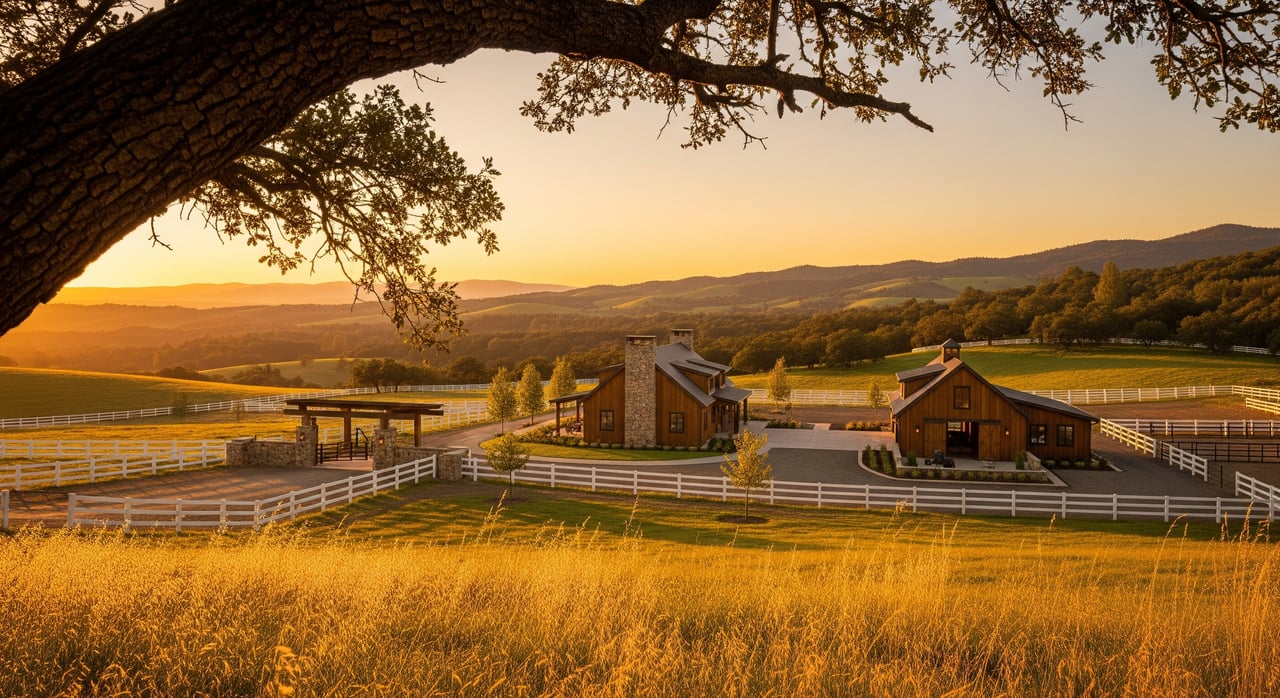
Dreaming of more space, privacy, and a true country feel in Loomis? Buying acreage can be incredibly rewarding, but it comes with rules, systems, and costs that are different from a suburban lot. If you want to build, garden, keep animals, or simply spread out, you need a clear plan before you write an offer. This guide highlights what to check in Loomis, how to avoid surprises, and the steps that move you from tour to close with confidence. Let’s dive in.
Why Loomis acreage appeals
Acreage in Loomis sits in the eastern foothills of the Sacramento area and often includes ranchettes, hobby farms, and larger rural residential parcels. Supply is more limited than typical suburban lots, so well-prepared buyers tend to win. Owning land can also mean higher maintenance costs for roads, fences, vegetation management, and well or septic care. Going in with eyes open helps you protect your time and budget.
Zoning and land use rules
Zoning drives what you can do on the land. Confirm the parcel’s zoning and general plan designation with Placer County Planning. Look at allowed uses, minimum lot size, accessory structure rules, and any conditional-use permit needs for things like barns or home businesses. Setback, height, and lot coverage standards also shape your site plan.
Lot splits and permits
Many acreage parcels cannot be split without meeting county minimums and infrastructure requirements. Subdivision can also trigger environmental review. If you plan new construction or major grading, expect building, grading, and encroachment permits for driveways, retaining walls, and site work.
Farm and animals
Agricultural operations may fall under right-to-farm protections, and some agricultural or rural residential zones allow livestock. These uses still need to comply with building and environmental rules. Always verify what is permitted on your specific parcel.
Water and wells
Many Loomis acreage properties rely on private wells rather than municipal water. Before you buy, request and review:
- Recorded well log showing depth, static water level, and yield
- Well permits and any shared well agreements if multiple parcels use the same source
- Recent water quality testing for bacteria, nitrate, arsenic, manganese, and other locally relevant contaminants
- A professional opinion from a well driller or hydro pro on yield, seasonal reliability, and pump condition If a parcel lacks a working well, explore alternatives like hauled water, a shared system, or a future municipal connection if nearby. Get written estimates for feasibility and costs early.
Septic systems
Most acreage not on public sewer uses an on-site septic system. You should confirm:
- Permits and system records with Placer County Environmental Health
- Tank size, drain field location, age, and maintenance history
- Soil suitability and percolation testing if you plan to add bedrooms or build new
- Required setbacks from wells, streams, property lines, and structures
- Space for a future replacement area in case repairs are needed A qualified septic contractor can evaluate capacity, condition, and realistic repair or replacement costs.
Site and environmental risks
Every parcel is unique. Review these physical factors before you fall in love with a view:
- Topography and soils. Steep slopes, rock, or clay can increase grading, foundation, and drainage costs. Geotechnical input is often helpful for larger builds.
- Flooding and drainage. Check federal flood maps and look for localized drainage or seasonal runoff issues on site.
- Wetlands and streams. Seasonal streams, wetlands, or riparian areas can limit buildable envelopes and require permits.
- Habitat and species. Certain habitats may require biological surveys and mitigation.
- Soil contamination. Prior agricultural uses or fuel storage can create issues that call for environmental review.
- Access. Confirm deeded legal access. Private roads often require maintenance agreements and can affect financing and liability.
Wildfire and insurance
The foothills have wildfire exposure that can affect insurance availability and cost. Review local fire hazard maps and agency guidance. Plan for defensible space, ignition-resistant construction for new buildings, and evacuation planning. Obtain preliminary insurance quotes as soon as you get serious about a parcel.
Utilities and services
Utility availability varies on acreage. Before closing, verify:
- Electricity. Confirm provider, distance to lines, capacity, and extension costs
- Gas. Natural gas is not guaranteed; many rural homes use propane, wood, or electric
- Internet and phone. Broadband can be limited. Check carriers and fixed wireless options
- Trash and mail. Confirm pickup service areas and mailbox location
- Emergency services. Know your responding fire district and law enforcement jurisdiction, and typical response considerations
- School districts and local services. Verify boundaries and providers for your address
Financial and legal checks
Acreage deals require careful document review. Work through:
- Property taxes and assessments. Confirm assessed value and special assessments with the county
- Insurance. Wildfire risk can influence premiums and coverage terms
- Easements and CCRs. Title review should identify road, utility, conservation, and any use restrictions
- Conservation programs. Williamson Act contracts and conservation easements can limit development
- Mineral rights. Check whether rights were severed
- Financing and appraisal. Lenders look closely at legal access, well and septic, and insurability. Comparable sales can be sparse, so engage a lender with rural experience
Smart buyer checklist
Use this short list to focus your due diligence and save time.
Before you write an offer
- Confirm zoning, allowed uses, minimum lot size, and any permit triggers
- Ask for well logs, water tests, septic permits and records, prior building permits, and any surveys
- Verify legal access and any road maintenance agreements
- Speak with county planning about your intended use or improvements
After acceptance
- Order a preliminary title report and review easements and exceptions
- Schedule septic and well inspections and any needed water testing
- Commission geotechnical or soils review if you plan to build or add on
- Get insurance quotes, including wildfire coverage
- Order a boundary or ALTA survey if lines or build areas are in question
Before closing
- Confirm electric, gas or propane, and internet feasibility and costs in writing
- Verify fire agency requirements for defensible space and water supply needs
- Validate floodplain status and any drainage considerations
- Satisfy lender conditions tied to access, wells, septic, and insurance
Budget and lifestyle fit
Life on acreage is rewarding, but it is not set-and-forget. Plan for ongoing road, fence, and vegetation upkeep, plus regular well and septic maintenance. Build a realistic annual budget so the lifestyle you want stays enjoyable.
Ready to evaluate specific properties or build a custom plan for your search? Let a local specialist guide you through zoning, wells, septic, and rural financing so you can buy with confidence. Schedule a private consultation with Mercedeh Sheik.
FAQs
Can I get a mortgage for Loomis acreage with a well and septic?
- Many lenders finance rural acreage when there is legal access, a standard septic system, potable water, and acceptable insurance quotes. Use a lender experienced with rural property.
What should I test in a Loomis private well before buying?
- Review the well log and test for bacteria, nitrate, arsenic, manganese, and other locally relevant contaminants, then have a pro assess yield and seasonal reliability.
How do I verify a septic system’s capacity on Loomis acreage?
- Request county permits and system records, confirm tank and drain field details, check setbacks, and have a licensed septic contractor inspect and advise on capacity and repairs.
What wildfire issues affect buying acreage in Placer County?
- Wildfire risk can impact insurance availability and cost, and new builds may require ignition-resistant materials and defensible space. Get quotes and agency guidance early.
Can I split a small acreage parcel in Loomis later?
- Often limited by zoning and minimum lot size. Lot splits usually require a county process and can involve infrastructure improvements and environmental review.
How do I confirm legal road access for a rural Loomis parcel?
- Review the preliminary title report for recorded easements and maintenance agreements, and verify whether the road is publicly maintained or private with shared upkeep.