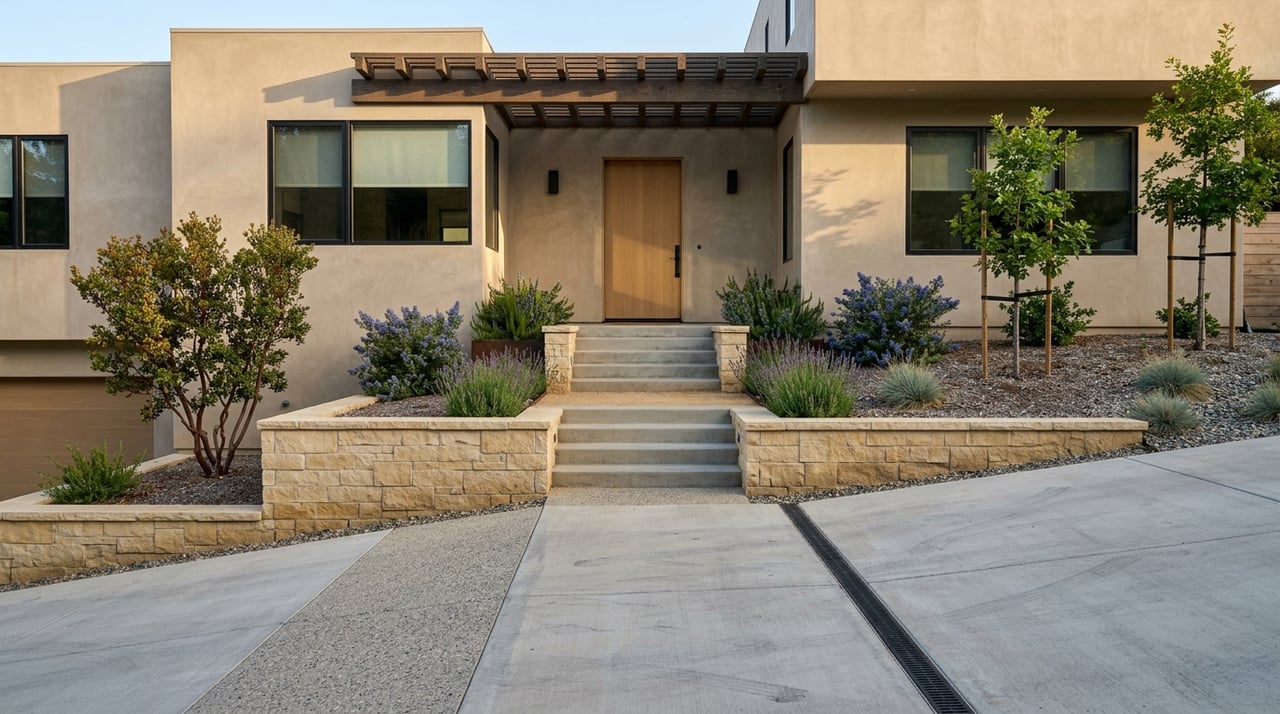
If you are drawn to Auburn for its views, foothill setting, and homes tucked into the landscape, a hillside property can feel like the perfect fit. It can also come with questions that do not show up as often on flatter lots, from driveway grades to winter runoff to fire-zone rules. The good news is that when you know what to look for, you can buy with more confidence and choose a home that fits both your lifestyle and the land. Let’s dive in.
Why Auburn hillside homes stand out
Auburn sits in the western foothills of the Sierra Nevada at about 1,300 feet elevation, and the city notes that it overlooks the American River Canyon. That setting is a big part of the appeal. It often means elevated views, more varied lot shapes, and homes designed to work with the slope rather than against it.
It also means the site itself matters more than it might on a flat suburban parcel. In Auburn, slope, access, drainage, and vegetation can affect how a property lives day to day and what kind of maintenance you may take on over time. When you shop for a hillside home, you are really evaluating both the house and the lot together.
Auburn’s climate adds another layer to the decision. NOAA climate normals for 1991 through 2020 show warm summers, a wetter winter season, and about 36.1 inches of annual precipitation. In practical terms, that means a hillside home should be considered as both a dry-season view property and a wet-season drainage property.
How slope shapes home layouts
One of the most noticeable differences in a hillside home is the floor plan. In Auburn, the terrain often influences how the home is placed on the lot and how you move through it. That can create a layout that feels more custom and more connected to the setting.
The city’s site-plan requirements show just how closely building and topography are tied together. If the slope in the construction area exceeds 10 percent, a topographic survey prepared by a licensed land surveyor or civil engineer is required before land disturbance. Site plans also need to show driveways, setbacks, utilities, easements, wells, septic systems, watercourses, and flood plains.
Because of those conditions, many hillside homes tend to have features like:
- Split-level or stepped floor plans
- Garage-under designs or parking-pad entries
- Main living spaces positioned to capture views
- Decks and terraces instead of one large flat backyard
- Outdoor living areas arranged across multiple levels
None of these features are automatically better or worse. The key is whether the layout matches how you actually live. If you want easy indoor-outdoor flow, guest parking, or fewer stairs, those details deserve extra attention during your search.
Why lot conditions matter as much as views
A beautiful hillside setting can be a major selling point, but the lot needs to function well in all seasons. On a slope, the property’s performance is often just as important as the home’s finishes or square footage. That is especially true in winter when rain and runoff become more noticeable.
Auburn’s grading ordinance requires all areas to be graded and drained so water does not pond or accumulate. It also states that cut-and-fill slopes must have surface or subsurface drainage as needed for stability. For buyers, that makes drainage a serious part of due diligence, not a minor afterthought.
When you tour a hillside property, look closely for signs that the site has been planned and maintained well. Helpful features may include:
- Swales that direct water away from the house
- Down-drains on terraced or sloped areas
- Retaining walls that appear properly integrated into the site
- Terrace drains and other runoff controls
- Landscaping that helps manage erosion
You will also want to watch for possible red flags. Soil movement, erosion channels, standing water, or visible stress around retaining walls can all signal that the lot needs a closer look. On a hillside parcel, these details can have a direct effect on long-term maintenance and future repair costs.
Driveway access deserves a hard look
A driveway can look manageable in listing photos and still feel challenging in real life. On hillside lots, access is about more than curb appeal. You want to know how the property works for your daily routine, your visitors, and emergency access.
Placer County’s adopted fire-code excerpt says driveway slope may exceed 12 percent only under certain conditions. In areas below 5,000 feet elevation, driveway grade cannot exceed 16 percent unless authorized by the fire chief. For Auburn buyers, that makes driveway usability an important question to ask early.
As you evaluate a property, think about practical use cases like:
- Can you enter and exit comfortably in wet weather?
- Is there enough room for guests to turn around?
- Will delivery vehicles have reasonable access?
- Does the driveway feel workable for your everyday vehicle?
- Could emergency responders reach the home without difficulty?
A steep or narrow driveway is not always a deal breaker. It simply needs to fit your comfort level and the property’s overall functionality.
Fire-zone details every buyer should understand
In Auburn, wildfire risk is part of the local context, especially for hillside properties. Placer County says Fire Hazard Severity Zone maps are based on factors including fuel, terrain, blowing embers, predicted flame length, and fire weather. Auburn is also updating its own map to align with state-mandated classifications and local conditions.
For buyers, this means the lot itself is often part of the wildfire conversation. Vegetation, slope, defensible space, and access can all play a role. If a property is in a Very High Fire Hazard Severity Zone, there may be specific disclosure and compliance requirements tied to the transaction.
Placer County states that homes in a Very High Fire Hazard Severity Zone must comply with stricter defensible-space and home-hardening requirements. Sellers must disclose those designations, and new construction or renovations in designated zones must follow Wildland-Urban Interface codes. Auburn’s real-estate-transaction page also says that before selling, exchanging, or transferring property in a Very High Fire Hazard Severity Zone, owners or their agents must obtain documentation showing compliance with defensible-space regulations, with inspections completed within six months of the transaction.
CAL FIRE guidance adds useful context for what buyers may see on the property itself. It says 100 feet of defensible space is required by law, recommends increased spacing on slopes, and highlights features like Class A roof coverings, clean gutters, ember-resistant or screened vents, double-pane tempered glass windows, and a 0-to-5-foot ember-resistant zone around vulnerable areas. Auburn’s Fire Department also offers defensible-space and home-hardening self-assessments for city residents.
Maintenance looks different on hillside lots
Hillside living often comes with a different maintenance rhythm than a flatter tract home. That does not mean it is harder across the board, but it usually means you will want to be more intentional. Seasonal upkeep tends to matter more when the property includes slopes, terraces, drainage systems, trees, or brush.
In Auburn, owners may also be responsible for features that some buyers do not immediately think about. The city says the sidewalk area includes the sidewalk, parkway, trees and brush, curbing, bulkheads, retaining walls, and other works protecting the sidewalk or park strip, and that owners are responsible for maintaining it. If a property includes owner-maintained retaining features near the street, that is worth understanding before you close.
Vegetation disposal can also be part of the lifestyle. Auburn says open burning requires a valid city fire-department permit, cannot use barrels, must take place only on safe burn days, and must remain at least 50 feet from any structure with a 10-foot clearance around the pile. If you are buying a lot with more trees or brush, that is one more practical detail to keep in mind.
Utilities and site infrastructure to confirm
On a hillside property, utility questions can be more important than buyers expect. Auburn’s site-plan requirements specifically call for information on utilities, easements, wells, septic systems, watercourses, and flood plains. That tells you something important: site infrastructure is a central part of how these properties function.
Auburn’s sewer system serves the city’s municipal boundaries. Placer County also notes that parcels without public sewer may need septic, and rural homes without public drinking water may need a well. Depending on the location and lot, it is smart to confirm early whether the home is connected to city sewer or relies on private systems.
This is also a good time to ask about easements and any prior site work. If the property has had grading permits, geotechnical reports, slope repairs, or retaining-wall work, those records may provide valuable insight into how the lot has been improved and maintained.
Questions to ask before you buy
A hillside purchase usually rewards buyers who ask detailed questions up front. You do not need to overcomplicate the process, but you do want a clear picture of how the land behaves and what responsibilities may come with it.
Here are some smart questions to raise as you move through showings, disclosures, and inspections:
- Is the property in a Very High Fire Hazard Severity Zone?
- If so, what documentation or inspection is required before closing?
- Has the site had prior grading permits, geotechnical reports, or slope repairs?
- Have any retaining walls been added or repaired?
- How does runoff move across the lot during winter rain?
- Are drainage systems, terraces, or stabilization features functioning as intended?
- Does the driveway appear to meet local access expectations for the parcel?
- Is the home connected to city sewer, or does it rely on septic or a well?
- Are there easements or owner-maintained retaining features that could affect future costs?
These questions can help you move beyond first impressions. On a hillside lot, confidence comes from understanding how the home and land work together.
Lifestyle tradeoffs to think through
For many buyers, Auburn hillside homes offer a lifestyle that feels more private, scenic, and connected to the foothill landscape. Decks, terraced outdoor spaces, and canyon or treetop views can make a property feel special in ways that flatter lots often do not. That character is a big reason buyers are drawn to hillside homes in the first place.
At the same time, the tradeoff is usually more site awareness. You may need to think more about drainage in the rainy season, defensible space in fire season, and access year-round. If you enjoy a property with natural topography and understand the upkeep that comes with it, that tradeoff may feel well worth it.
The right hillside home is not just the one with the best view. It is the one where the layout, lot conditions, access, and maintenance needs all fit your goals. When that balance is right, Auburn hillside living can be both beautiful and practical.
If you are considering a hillside home in Auburn, having a local advisor who understands how lot conditions, access, and disclosures can affect the purchase can make the process much smoother. Mercedeh Sheik offers a polished, relationship-first approach with the local insight and white-glove guidance to help you evaluate each property with confidence.
FAQs
What should buyers know about hillside homes in Auburn?
- Auburn hillside homes are shaped by slope, access, drainage, vegetation, and fire-zone considerations, so you should evaluate the lot as carefully as the floor plan.
What drainage issues matter on Auburn hillside lots?
- On Auburn hillside properties, you should pay attention to runoff patterns, swales, down-drains, terrace drains, retaining walls, and any signs of erosion, ponding, or slope movement.
What driveway rules affect hillside properties in Auburn?
- In Placer County areas below 5,000 feet, driveway grade cannot exceed 16 percent unless authorized by the fire chief, and slopes over 12 percent are allowed only under certain conditions.
What fire-zone disclosures apply to Auburn home purchases?
- For properties in a Very High Fire Hazard Severity Zone, sellers must disclose the designation, and Auburn requires documentation showing compliance with defensible-space regulations before transfer, with inspections completed within six months of the transaction.
What maintenance responsibilities come with an Auburn hillside home?
- Auburn owners may need to maintain drainage features, vegetation, retaining walls, and certain sidewalk-area elements such as parkways, brush, curbing, bulkheads, and structures protecting the sidewalk or park strip.
What utility questions should buyers ask about Auburn hillside properties?
- You should confirm whether the home is connected to Auburn city sewer or relies on septic or a well, and ask about easements, prior grading work, and any geotechnical or retaining-wall reports.